
The largest island of the Azores
About 65 km long, in the eastern group of the archipelago.
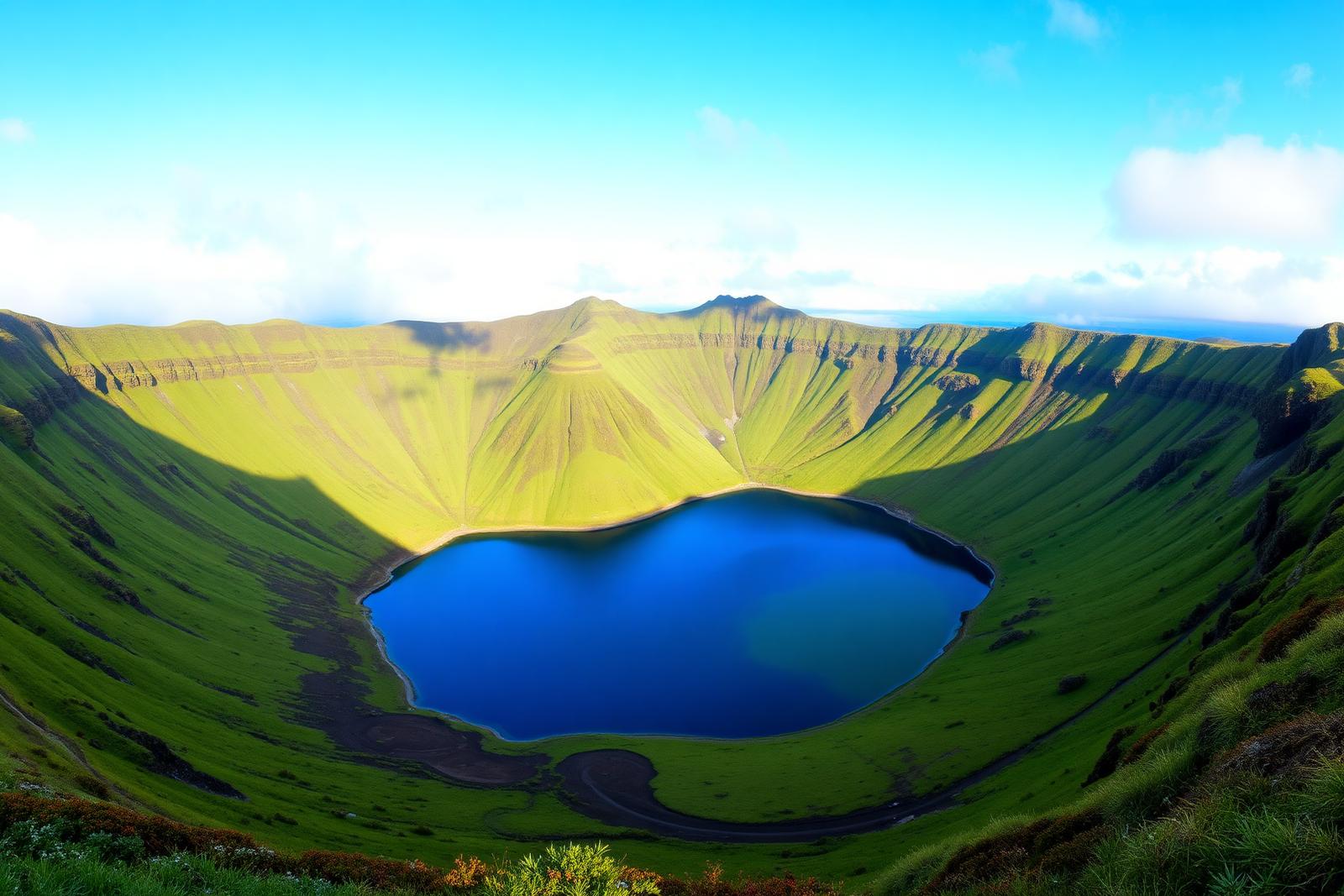
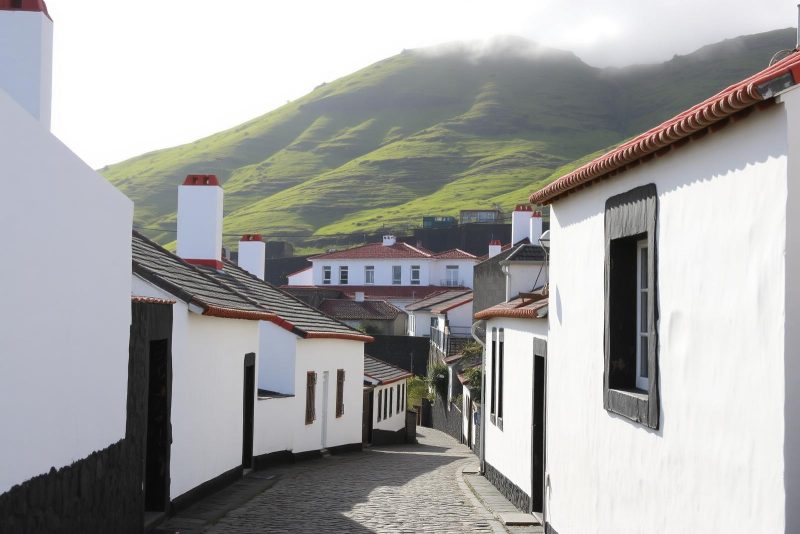
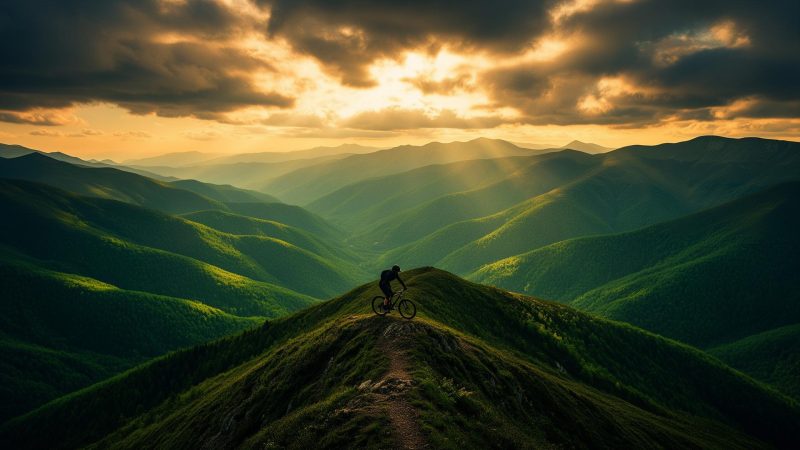
The largest island of the Azores, in the middle of the Atlantic, a landscape shaped by craters, lakes, hydrangeas, and quiet roads. Cycling here is moving at the rhythm of time.
São Miguel fits entirely into a travel notebook. One island, many routes, from the volcanoes of Sete Cidades to the fumaroles of Furnas.
Dormant volcanoes, lakes that change color with the light, pastures divided by basalt walls, and the sea — always the sea — in sight from any peak. The roads are narrow, well-maintained, and almost empty. The gravel is volcanic, dark, with rare grip. The climbs are short and steady; the descents invariably end at a fishing pier.
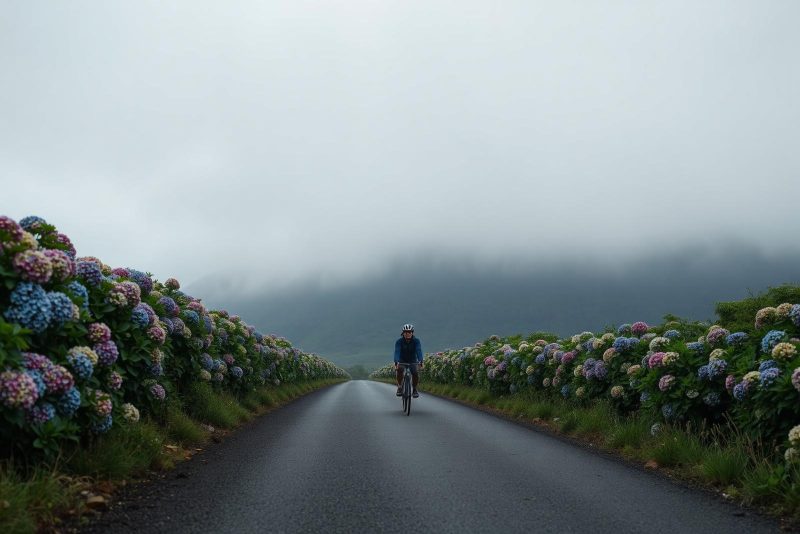
The mild climate allows for cycling all year round. Peak months are from May to October, when hydrangeas burst along the roadsides and rain arrives in short bursts that only ask for a coffee stop.
About 65 km long, in the eastern group of the archipelago.
1,500 km west of Lisbon, at the meeting point of three tectonic plates.
Temperatures between 10°C and 25°C all year round. Deep green in any season.
Predictable winds, salty humid air, short rain that clears the landscape.
Roads lined with flowering hedges from June to September.
Low traffic, well-kept asphalt, and volcanic gravel for all levels.
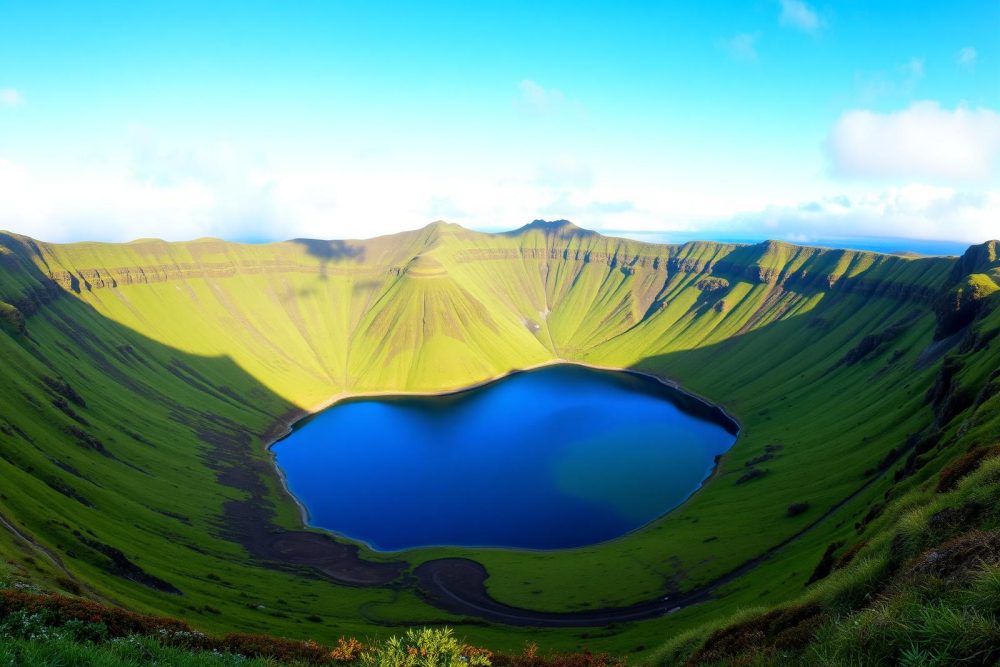
The blue and green lakes, seen from Vista do Rei. One of the island's most iconic descents.
The highest and most preserved lake in São Miguel, in the heart of the island.
Fumaroles, caldeiras, and the famous stew cooked underground. A must-stop for food lovers.
The greenest and steepest area of São Miguel—viewpoints, pineapples, and almost deserted roads.
A historic city, an active port, and the starting point for all the island's routes.
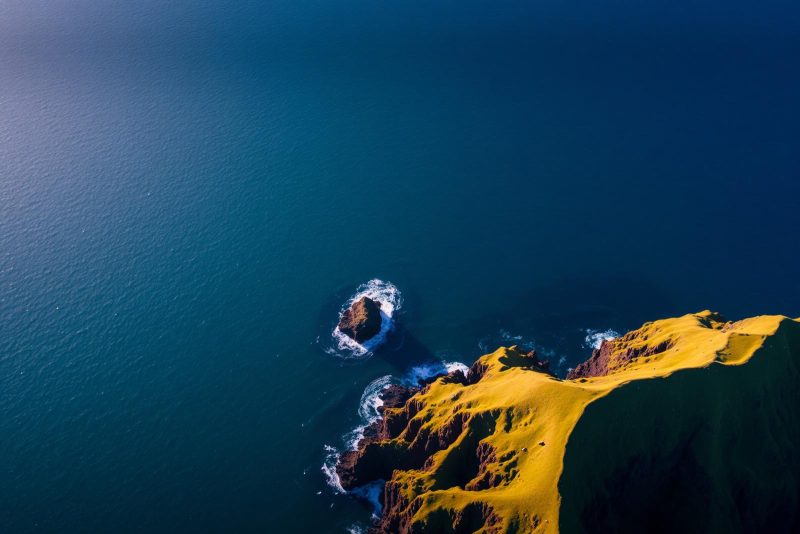
South coast, natural pools, and the iconic volcanic islet offshore. The island's former capital.
Guided tours, self-guided routes, bike rentals, and logistics, all starting from São Miguel.